
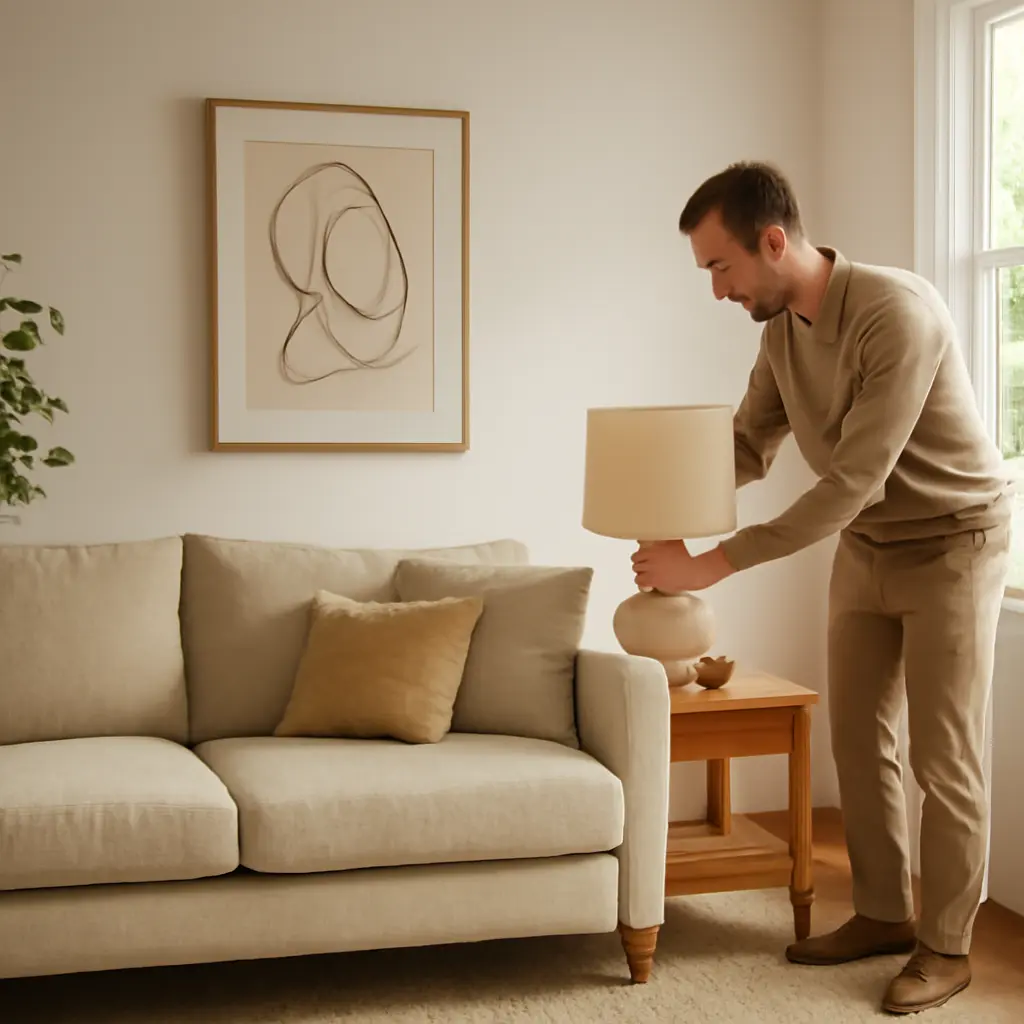
Home accents—decorative objects such as cushions, lamps, artwork, rugs, and vases—add personality and function to a room. The common beginner mistake is buying accents one at a time without considering their scale, placement, or relationship to the room as a whole. The result can be visual clutter or accessories that feel disconnected. A more reliable approach is to plan around the room’s size and purpose, vary materials and heights, and edit the final arrangement. These principles align with interior-design guidance from the American Society of Interior Designers and with the U.S. Environmental Protection Agency’s advice to reduce unnecessary household consumption.
Home Accents and the Mistake of Decorating Without a Plan
Home accents are the smaller furnishings and decorative details that support a room’s larger elements. Unlike a sofa or dining table, an accent is usually easy to move or replace; examples include throw pillows, table lamps, framed art, mirrors, plants, candles, and decorative bowls. Their flexibility is useful, but it also makes impulsive buying easy.
The central mistake is treating each accent as an isolated purchase instead of part of a composition. A bright cushion may look appealing in a shop, for example, but feel out of place beside the room’s existing colors and textures. Several small objects can also disappear on a large surface, while too many competing focal points can make a room feel busy. Interior designers commonly assess proportion, balance, repetition, contrast, and function together rather than choosing accessories in isolation.
Why unplanned accents create visual clutter
Visual clutter occurs when objects compete for attention without a clear hierarchy or useful purpose. It is not simply a matter of having many possessions: a collection can look intentional when it shares a theme, color, or arrangement, while just a few unrelated objects can feel scattered. The practical test is whether each item contributes to the room’s use, comfort, or visual story.
The American Society of Interior Designers describes interior design as a discipline concerned with the function and quality of interior spaces, not appearance alone. Applied to accents, that means a lamp should provide suitable light, a rug should support how people move through the room, and decorative objects should not obstruct everyday use.
Why the mistake matters beyond appearance
Unplanned decorating can waste money and materials, especially when purchases do not fit and are replaced quickly. The U.S. Environmental Protection Agency reports that the United States generated 292.4 million tons of municipal solid waste in 2018, with furnishings accounting for 12.1 million tons. Those figures cover a broad category of discarded goods, not home accents alone, but they underline the value of buying thoughtfully, reusing what already works, and choosing durable pieces.
Planning Home Accents by Scale, Color, and Function
A coherent accent scheme is a group of decorative choices that suits the room’s dimensions, palette, and activities. There is no single formula that fits every home. Instead, designers use related principles—scale, color, contrast, repetition, and function—to help different objects feel connected.
Scale and proportion
Scale describes an object’s size in relation to the room and nearby furnishings; proportion describes how its parts relate to one another. A tiny picture above a broad sofa may look lost, while an oversized floor lamp can overwhelm a narrow corner. Before purchasing, measure the intended location and compare the object with the furniture around it. For wall art, consider the wall area and the width of the furniture below it rather than judging the piece by itself.
A useful real-world example is a coffee table styled with a low tray, a medium-height vase, and a small book stack. The varied heights create visual interest, while keeping objects low enough to preserve sightlines and leave room for drinks.
Color, contrast, and repetition
Color creates continuity when accents repeat tones already present in a room, such as a rug color echoed in a cushion or artwork. Contrast—such as dark objects against a pale surface—helps important pieces stand out. Repetition, meanwhile, gives the eye a pattern to follow. A beginner need not match every item; repeating one or two colors, shapes, or finishes is often enough to make a varied collection feel intentional.
For instance, a room with warm wood furniture might combine a ceramic lamp, a woven basket, and framed art that includes a similar earthy tone. The materials differ, but the shared palette connects them.
Function and placement
Functional accents improve daily use as well as appearance. A mirror can reflect light and help with getting ready; a basket can store blankets; and a task lamp can illuminate reading. Placement should support circulation and accessibility: keep walkways clear, avoid unstable objects where they may be knocked over, and place frequently used items within reach.
The U.S. Department of Energy notes that daylight can contribute to lighting a home, while window treatments and room layout affect how light enters. When arranging mirrors, lamps, and reflective finishes, consider actual daylight and glare rather than assuming that more reflective surfaces will always make a room brighter.
Choosing and Arranging Home Accent Categories
Once the room’s needs are clear, accents can be grouped by what they do. Soft goods add comfort and texture; lighting and mirrors shape visibility and perceived space; artwork and small objects express personality. Thinking in these categories helps prevent an entire room from being filled with one type of item.
Soft accents: rugs, cushions, and throws
Soft accents include rugs, curtains, cushions, and blankets. They bring texture, color, and comfort, but their size and placement matter. A rug that is too small can make furniture seem disconnected; a pile of cushions can reduce usable seating. Choose materials suited to the household’s activity, cleaning needs, and exposure to sunlight, and use a limited palette to connect different patterns.
Lighting and mirrors
Decorative lighting includes table lamps, floor lamps, and pendants that contribute to both atmosphere and visibility. A room often benefits from more than one lighting level—for example, general illumination plus focused reading light—though the right arrangement depends on the room and its electrical setup. Mirrors can add reflected light and visual depth, but their effect depends on what they reflect. Position one to reflect a pleasant view or daylight, not a blank wall or a source of glare.
Artwork, plants, and decorative objects
Artwork, plants, and tabletop objects provide personal expression. Grouping objects in odd numbers is a common styling convention, not a universal rule; what matters more is a clear relationship in height, material, color, or subject. Leave some open space around a display so each piece can be seen. For plants, consider available light, watering needs, and whether the chosen species is safe around household pets.
A Simple Process for Avoiding the Home Accent Mistake
A few deliberate steps can turn accessory shopping into a focused process. The aim is not to follow rigid decorating rules, but to make choices that suit the room and avoid buying items simply because they look appealing on their own.
- Identify the room’s purpose and the activities it needs to support.
- Take measurements and note existing furniture, colors, finishes, and natural light.
- Choose one or two priorities, such as improved reading light, a more comfortable seating area, or a stronger focal point.
- Shop for those needs first, checking each item’s size, material, care requirements, and compatibility with the existing room.
- Arrange the pieces, step back, and remove anything that blocks movement or competes without adding function or meaning.
A useful final check is to photograph the room from its main entrance. A photo often makes crowded surfaces, awkward proportions, and disconnected colors easier to notice than viewing the room while moving through it.
Conclusion: Make Home Accents Work Together
The beginner’s most common home-accent mistake is buying decorative pieces without a plan for scale, color, placement, and function. Thinking in terms of proportion, repetition, practical use, and related accent categories helps a room feel personal without becoming crowded. Measure before buying, reuse what already works, and edit the arrangement after placing new pieces. For further guidance, consult interior-design resources from the American Society of Interior Designers and waste-prevention advice from the U.S. Environmental Protection Agency.
Sources: American Society of Interior Designers, About Interior Design, https://www.asid.org/about/interior-design; U.S. Environmental Protection Agency, National Overview: Facts and Figures on Materials, Wastes and Recycling, https://www.epa.gov/facts-and-figures-about-materials-waste-and-recycling/national-overview-facts-and-figures-materials; U.S. Department of Energy, Daylighting, https://www.energy.gov/energysaver/daylighting