
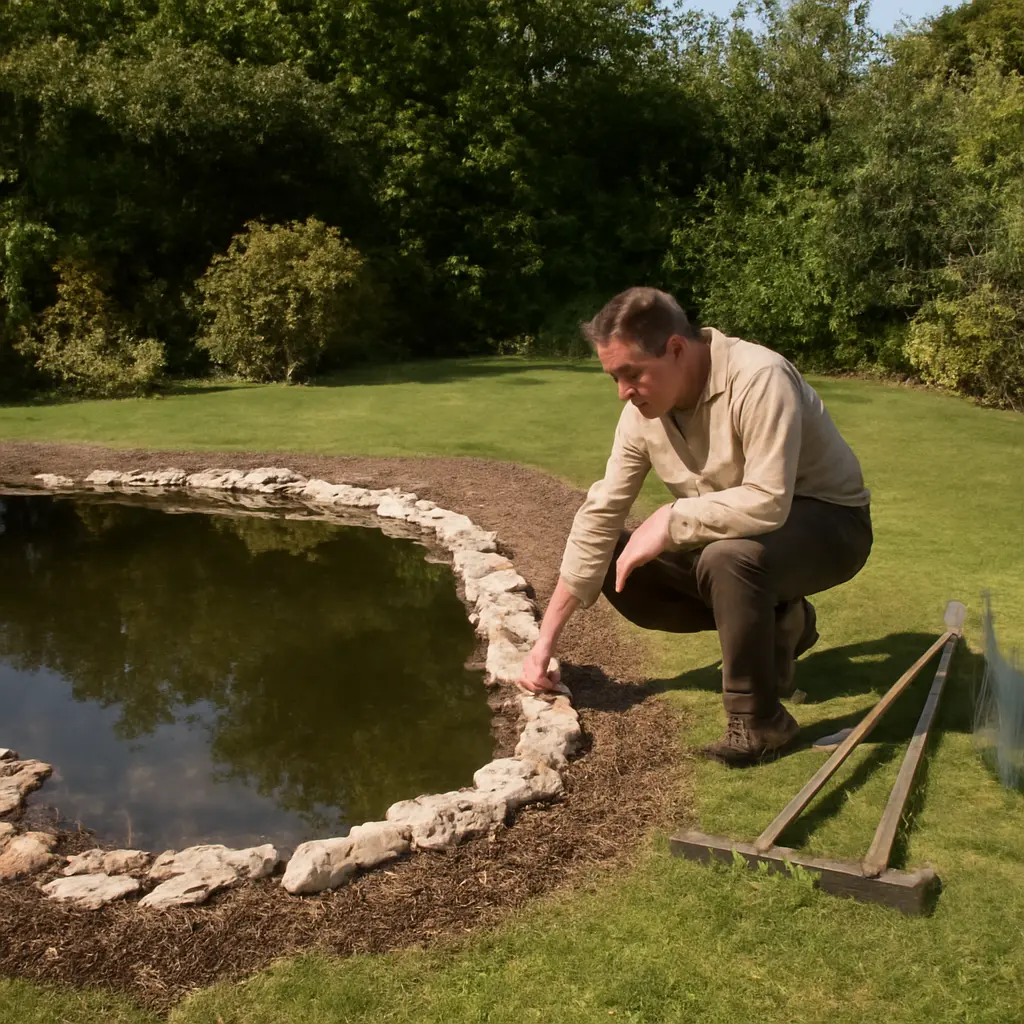
Backyard Pond Construction: The Hidden Work Behind a Healthy, Long-Lasting Water Feature
A backyard pond is a deliberately designed water feature that holds water and supports a chosen mix of plants, wildlife, or fish. The visible water is only the finish: a reliable pond also depends on site planning, excavation, a correctly sized liner, circulation and filtration, safe electrical work, and regular maintenance. The U.S. Environmental Protection Agency (EPA) notes that stormwater runoff can carry sediment, nutrients, and other pollutants into waterways—one reason pond placement and overflow planning matter. This guide explains the often-hidden work behind pond design, construction, filtration, and upkeep, along with practical examples and safety considerations.
Site planning determines backyard pond performance
Site planning is the process of evaluating location, soil, drainage, access, sunlight, utilities, and local rules before digging. It helps prevent problems that are expensive to fix after a liner is installed. The right design depends on the pond’s purpose: a wildlife pond, a water-garden pond, and a fish pond have different requirements for depth, circulation, planting, and filtration.
Location, drainage, and soil
A pond should be positioned where runoff can be controlled and where excavation will not threaten foundations, retaining walls, buried utilities, or septic systems. Before digging, contact the local utility-marking service and check municipal rules, property restrictions, and permitting requirements. The EPA’s stormwater guidance explains that runoff may carry pollutants from streets, lawns, and other surfaces; a pond receiving uncontrolled runoff can collect sediment and excess nutrients, encouraging cloudy water and algae.
Soil conditions also matter. Loose, rocky, or highly permeable ground may require additional preparation or a different construction approach. A simple backyard test cannot replace professional assessment when the site has unstable slopes, a high water table, or a nearby structure. Plan a safe overflow route so heavy rain does not send pond water toward a house or neighboring property.
Sunlight, trees, and intended pond type
Sun exposure affects plant growth and water temperature, while nearby trees can add leaves, roots, and shade. The best balance depends on the intended pond community, so there is no single sunlight target that suits every design. A wildlife pond may emphasize shallow margins and native plants; a water garden often prioritizes shelves for containers and a visible waterfall; a fish pond needs adequate water volume, oxygenation, and waste-processing capacity.
These categories are related, but they should not be treated as interchangeable. A pond sized and filtered for a few plants may not be suitable for a heavily stocked fish population. Choosing the pond type first makes it easier to determine dimensions, equipment, and ongoing costs.
Excavation and pond structure create the hidden foundation
Pond excavation is the removal and shaping of soil to create the basin, shelves, and contours that support the intended water depth and edge treatment. The structure must hold its shape, protect the liner, and remain stable as water and soil loads change. A pond that looks level from the patio can still leak or fail if the subgrade, edges, or overflow are poorly planned.
Basin shape, shelves, and depth
A basin may include shallow planting shelves, deeper open-water areas, and gently shaped transitions. The exact layout depends on local climate, intended plants or fish, safety needs, and the manufacturer’s instructions for the selected liner. Shelves can make planting and maintenance easier, but they must be supported and compacted so they do not slump.
Before excavation, mark the pond outline and check it from multiple viewpoints. Account for the space needed around the perimeter for liner overlap, edging, equipment access, and future repairs. Excavated soil also needs a destination; moving it after the pond is finished can damage landscaping or put pressure on the pond edge.
Underlayment, liner, and edge restraint
The liner is the waterproof layer, while underlayment cushions it against stones, roots, and irregularities in the excavated basin. Flexible pond liners are commonly made from materials such as EPDM or PVC, but their suitability depends on product specifications, installation conditions, and intended use. Follow the manufacturer’s guidance for sizing, seams, folds, and exposure.
Edge restraint is the method used to secure and conceal the liner around the pond perimeter. It is one of the details people often underestimate: if the edge is too low, water can escape; if the liner is trimmed too early, settlement can leave it short; and if runoff flows over the edge, soil may wash into the pond. Allow the basin to settle and check the waterline before cutting excess liner.
Circulation and filtration keep pond water usable
Pond circulation is the movement of water through a pump, pipework, and return features. Filtration is the removal or processing of suspended solids and dissolved waste. These systems work together but perform different jobs: a pump moves water, while mechanical and biological filter stages capture particles and support beneficial microbial processes. Equipment should be selected for the pond’s actual volume, plumbing layout, elevation changes, and biological load—not just the pump’s advertised maximum flow.
Pump sizing and plumbing losses
A pump’s delivered flow decreases as water travels through pipework, fittings, filters, and vertical lift. This is why a pump’s maximum rating is not the same as its operating flow in a finished pond. Measure the planned route and compare the system’s total dynamic head with the pump’s performance chart. Undersized plumbing can restrict flow, while unnecessarily powerful equipment can increase energy use and create excessive currents.
The U.S. Department of Energy’s guidance on pumps emphasizes that system design and operating conditions affect energy performance. In a pond, that means choosing equipment as a system: pump, pipe diameter, filter, waterfall height, and maintenance access all interact. Include a way to isolate equipment for cleaning and follow electrical safety requirements for outdoor installations.
Mechanical and biological filtration
Mechanical filtration traps visible debris such as leaves and suspended particles. Biological filtration provides surfaces where microbial communities can process fish waste and other organic material. Neither stage eliminates the need to remove accumulated debris, monitor water conditions, or avoid overstocking.
The University of Florida Institute of Food and Agricultural Sciences (UF/IFAS) describes pond water quality as a product of interacting physical, chemical, and biological conditions. In practical terms, filtration must match the pond’s use. A fish pond generally creates a greater waste load than a plant-focused pond, so its filter capacity and maintenance schedule must reflect that difference.
Pond water quality depends on biology and maintenance
Pond water quality is the condition of the water as it relates to the needs of its plants, animals, and intended use. It is shaped by temperature, dissolved oxygen, nutrients, organic matter, circulation, and the pond’s biological community. A clear-looking pond is not automatically healthy, and a newly filled pond may take time to develop stable biological processes.
Algae, nutrients, and oxygen
Algae are aquatic organisms that can grow rapidly when light and nutrients are abundant. The EPA explains that excess nitrogen and phosphorus can contribute to eutrophication and harmful algal growth in water bodies. In a backyard pond, nutrient sources can include fish feed, decaying leaves, fertilizer runoff, and uneaten organic matter.
Good practices include keeping fertilizer away from the pond edge, removing leaves, avoiding overfeeding, and maintaining circulation appropriate to the pond. Oxygen conditions can change with temperature, plant activity, and decomposition, so fish keepers should monitor their pond closely during hot weather and after major maintenance changes. If fish show distress, seek advice from an aquatic veterinarian or local extension specialist rather than adding chemicals by guesswork.
Seasonal care and realistic maintenance
Maintenance is the recurring work that keeps a pond’s water, equipment, plants, and edges in serviceable condition. It commonly includes checking pump operation, clearing skimmers and prefilters, removing debris, inspecting the waterline, and observing plants and fish. The schedule varies with climate, tree cover, pond size, stocking density, and equipment.
Seasonal tasks may include preparing plants for winter, managing leaf fall, checking for freeze-related equipment risks, and restarting systems according to manufacturer guidance. The key hidden cost is not one dramatic repair but the accumulation of small, regular tasks. Before building, decide who will do them and whether the equipment is accessible without dismantling the landscaping.
Costs, safety, and construction decisions shape the real project
The cost of a backyard pond depends on dimensions, soil, access, liner and edging materials, pump and filtration choices, electrical work, landscaping, and whether labor is hired. National price averages can be misleading because site conditions and regional labor rates vary widely. A useful budget separates initial construction from recurring electricity, replacement parts, water testing, seasonal care, and repairs.
Electrical and child safety
Pumps and lighting combine water with electricity, so equipment must be installed and protected according to applicable electrical codes and manufacturer instructions. Use a qualified electrician for outdoor circuits, grounding, and ground-fault protection where required. Keep connections accessible, protected from flooding, and suitable for outdoor use.
Water features also require a realistic safety plan for children, visitors, and pets. Barriers, covers, clear sightlines, and supervision may be appropriate depending on pond depth and local requirements. Check local building and safety rules before construction rather than assuming a small garden pond is exempt.
A practical pre-build checklist
- Confirm property boundaries, utility locations, permits, and any neighborhood restrictions.
- Choose the pond type and estimate its volume before selecting equipment.
- Assess soil, slope, drainage, tree roots, sunlight, and access for excavation.
- Plan overflow, liner protection, edge restraint, and equipment access.
- Compare pump performance at the system’s expected head, not only its maximum rating.
- Budget for construction, electrical work, energy, maintenance, and replacement components.
- Set a safety plan and identify who will perform routine care.
Conclusion: build the system, not just the water feature
A successful backyard pond begins with site planning, continues through stable excavation and liner installation, and depends on properly matched circulation, filtration, and ongoing care. The hidden work—managing runoff, protecting the liner, sizing pumps for real operating conditions, and planning for safety and maintenance—often determines whether the finished pond remains enjoyable or becomes a recurring repair project.
Before digging, define the pond’s purpose, check local requirements, and sketch the complete system from basin to overflow. Then consult product instructions, local extension resources, and qualified tradespeople where the project involves uncertain soil, structural concerns, or electrical work. A little planning is the most practical way to protect both the pond and the investment behind it.
Sources: U.S. Environmental Protection Agency, “National Management Measures to Control Nonpoint Source Pollution from Urban Areas,” https://www.epa.gov/nps/urban-runoff-low-impact-development; U.S. Environmental Protection Agency, “The Effects: Environment,” https://www.epa.gov/nutrientpollution/effects-environment; U.S. Department of Energy, “Improving Pumping System Performance: A Sourcebook for Industry,” https://www.energy.gov/eere/amo/articles/improving-pumping-system-performance-sourcebook-industry; University of Florida Institute of Food and Agricultural Sciences, “Water Quality,” https://edis.ifas.ufl.edu/.